
Home Fires

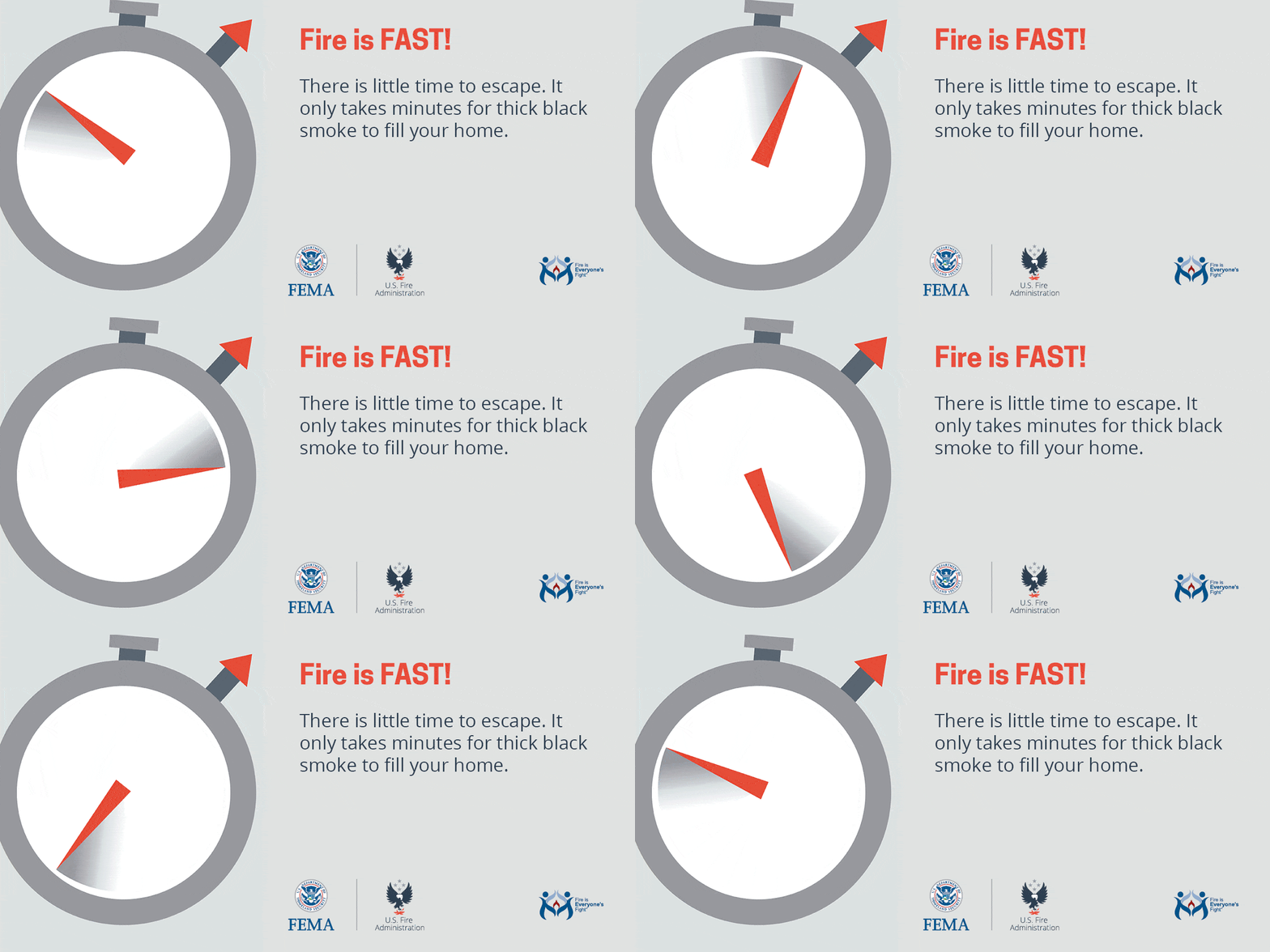
To protect yourself, it is important to understand the basic characteristics of fire. Fire spreads quickly; there is no time to gather valuables or make a phone call. In just two minutes, a fire can become life-threatening. In five minutes, a residence can be engulfed in flames.

Home Fire Escape Plan

Creating and practicing a home fire escape plan is simple. Make sure everyone in your home is prepared and knows what to do in case of a fire. Remember to plan two ways out of each room!

Smoke Detectors

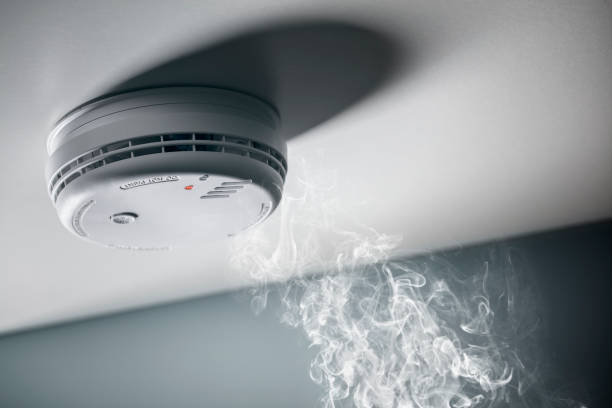
Smoke alarms save lives. Smoke alarms that are properly installed and maintained play a vital role in reducing fire deaths and injuries. Fire spreads fast and working smoke alarms give you early warning so you can get outside quickly.

Close Before You Doze

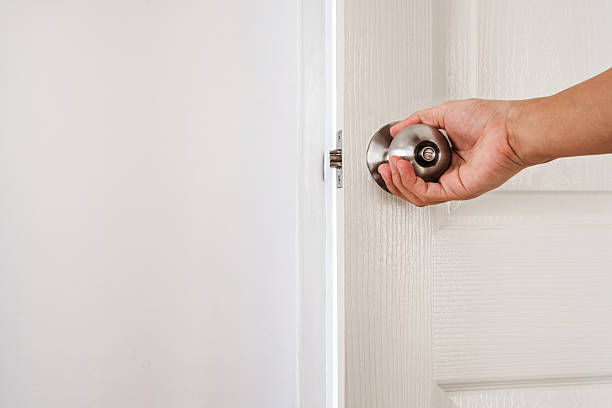
During a fire, closing the door could have a potentially life-saving impact. Modern synthetic construction materials, home furnishings, and contemporary layouts allow fire to spread and become toxic much faster. A closed door can slow the spread, reduce toxic smoke levels, improve oxygen levels and decrease temperatures dramatically and that could make a life-saving difference in your home.

Auto Safety

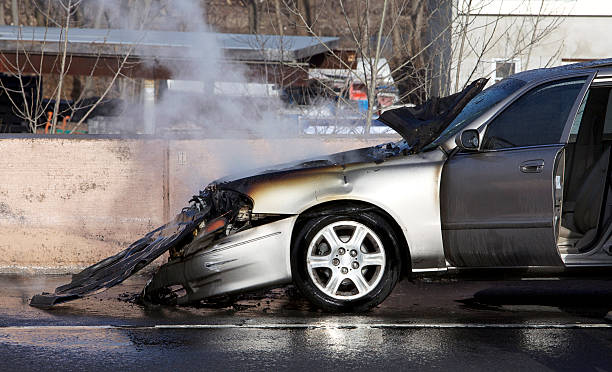
It’s important to act quickly if a vehicle catches fire. Burning vehicles can quickly trap occupants. Mechanical and electrical issues, along with crashes, are common causes of vehicle fires.

EV Safety

When the lithium-ion batteries used to power today’s electric vehicles catch fire, they burn much differently than the gasoline used to power internal combustion engine vehicles. Explore the following information and resources from NFPA to learn more about EV fires and how you can stay safer.